




What Is a Heat Pump? | How Does a Heat Pump Work?
If you’ve ever wished for a single system that can both heat and cool your home efficiently, you’re in luck — that’s exactly what a heat pump does. But how do these systems actually work? Let’s break it down in a way that’s simple, smart, and practical.
Understanding Heat Pumps
A Heat Pump is a heating and cooling System that moves heat, not creates it. During winter, it transfers heat into your home, and during summer, it sends heat out — an all-around comfort solution.
Imagine a reversible refrigerator for your whole house. It does not create heat, just relocates it from one location to another.
How a Heat Pump Works?
- The Technology Behind
-
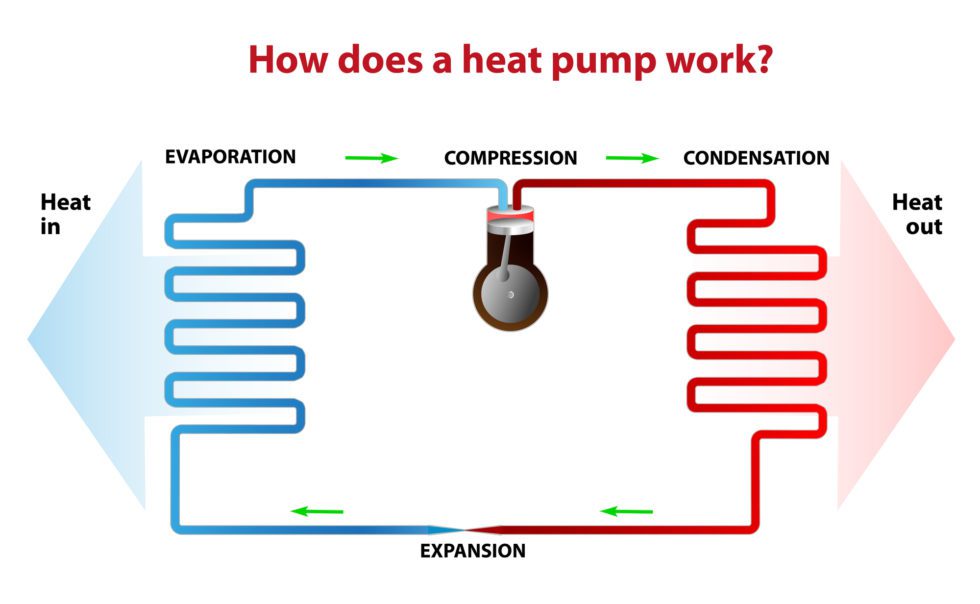
- A heat pump operates with little electricity to transfer heat from inside to outside, or vice versa. It is based on a refrigerant, a unique liquid that picks up and gives off heat as it moves through the system.
- The Process of a Cycle
Here is how it operates during the seasons:
-
- In Heating Mode: The refrigerant takes heat from the air outside (even in the cold!) and brings it inside by coils and a compressor.
- In Cooling Mode: The system gets the reverse direction, taking heat from your indoor air and ejecting it outside — functioning like a Heat Pump Air Conditioner.
- The Main Components
-
- Evaporator Coil: Takes in heat.
- Compressor: Pressurizes refrigerant to push it throughout the system.
- Condenser Coil: Releasing or absorbing heat depending on the mode.
- Expansion Valve: Controls the flow of refrigerant.

Types of Heat Pump Systems
- Air-Source Heat Pumps
They are most popular. They move heat between your house and the outside air. Units today are efficient in even cold weather.
- Ground-Source (Geothermal) Heat Pumps
They pull heat out of the ground, where temperatures are constant all year. While costly to install, they’re very effective in the long run.
- Water-Source Heat Pumps
They utilize a source of water (such as a pond or lake) close by for heat exchange. They’re less used but work well in the proper situation.
Benefits of Heat Pumps
- Energy Efficiency
Because heat pumps move heat instead of creating it, they use much less energy than traditional systems. You can save up to 50% on heating bills.
- Eco-Friendly
Through decreasing your dependence on fossil fuels, heat pump systems decrease carbon emissions, allowing you to reduce your carbon footprint.
- Year-Round Comfort
You receive both heat and cool from one unit — no furnaces or air conditioners required.
- Quiet Operation
Today’s heat pumps operate quietly, providing comfort without the persistent whine of older HVAC systems.
Drawbacks of Heat Pumps
- High Initial Cost
Installation is expensive, particularly for ground-source models. The energy savings tend to pay for this in the long run, though. - Efficiency in Extreme Cold
Although newer units are more efficient than ever, some heat pumps can have trouble working in freezing conditions without a supplemental heat source. - Maintenance Needs
As with all HVAC Systems, heat pumps require periodic maintenance to ensure proper performance and longevity.
Heat Pumps vs. Traditional HVAC Systems
| Feature | Heat Pump | Traditional HVAC |
| Heating & Cooling | Combined system | Separate systems |
| Energy Source | Electricity | Gas or electricity |
| Efficiency | Very high | Moderate |
| Environmental Impact | Low | High |
| Installation Cost | Moderate to high | Varies |
Clearly, heat pumps offer better efficiency and sustainability, making them ideal for eco-conscious homeowners.
Heat Pump Air Conditioners Explained
A heat pump air conditioner works the same way as a regular AC in summer. The only exception? It can reverse the operation in winter to offer heating. That’s why homeowners are turning to heat pumps rather than stand-alone AC and furnace systems.
How to Make the Right Choice for a Heat Pump
When choosing a system, consider:
- Climate: In cold climates, opt for a cold-climate or geothermal unit.
- Home Size: The size must be equal to your space requirements.
- Energy Ratings: Choose high SEER and HSPF ratings for peak efficiency.
- Budget: Include installation and maintenance expenses.
Heat Pump Installation Tips
- Use qualified technicians — installation impacts performance.
- Have sufficient insulation in your home.
- Have clear outdoor airflow about the unit.
- Clean or replace filters regularly.

Heat Pump Maintenance for a Long Life
- Clean air filters every month.
- Check refrigerant levels every year.
- Have your system professionally tuned twice a year.
- Clean out outdoor coils for dirt.
Regular maintenance can add 10–15 years to the life of your system.
Are Heat Pumps Worth It?
Absolutely. Although the initial investment may be daunting, the long-term savings, comfort, and environmental advantages make them an intelligent investment. And government rebates and incentives can lower the initial costs.
Conclusion
Heat pumps are revolutionizing the way we look at home heating and cooling. With unparalleled efficiency, year-round comfort, and environmentally friendly operation, heat pump systems are leading the charge toward a cleaner, more sustainable tomorrow. Whether you opt for an air-source, geothermal, or water-source model, you’ll have years of comfort and savings to come.